

Yes, eye injuries can cause glaucoma by damaging the eye’s drainage system and increasing pressure inside the eye. This condition is called traumatic glaucoma and can develop after injuries from sports, accidents, or direct impact to the eye. Because symptoms may not appear right away, a comprehensive eye exam helps detect pressure changes and protect long-term vision. Patients in Hanford and Kings County should schedule an evaluation after significant eye trauma or vision changes.
Quick Takeaways
- Eye injuries can increase the risk of developing traumatic glaucoma.
- Glaucoma occurs when pressure damages the optic nerve.
- Symptoms may include blurry vision, eye pain, redness, or halos around lights.
- Early detection through an eye exam helps guide treatment.
- Kings Eye Center provides glaucoma evaluations for patients throughout Kings County.
What happens when an eye injury causes glaucoma?
Glaucoma develops when damage to the optic nerve affects vision. One common factor is elevated intraocular pressure (the fluid pressure inside the eye).
After an eye injury, swelling, bleeding, or damage to the eye’s drainage angle can prevent fluid from flowing normally. This pressure buildup can affect the optic nerve and lead to traumatic glaucoma.
At Kings Eye Center, patients often ask if an old eye injury could explain new vision concerns. Some patients experience changes years after an accident, which is why ongoing eye health monitoring remains important after significant trauma.
According to the American Academy of Ophthalmology, glaucoma can progress without noticeable symptoms, making regular eye exams an important part of protecting vision.
What injuries can increase glaucoma risk?
Can sports injuries cause glaucoma?
Yes. Sports injuries involving a ball, equipment, or direct impact can damage structures inside the eye. Even if the eye appears normal after an injury, internal changes can affect eye pressure.
Can an old eye injury cause glaucoma years later?
Yes. Traumatic glaucoma can appear months or years after an injury. Patients with a history of eye trauma should discuss their injury history during comprehensive eye exams.
How is traumatic glaucoma diagnosed and treated?
An ophthalmologist diagnoses traumatic glaucoma through a comprehensive eye examination. The evaluation may include eye pressure measurements, optic nerve evaluation, visual field testing, and imaging.
Treatment depends on the patient’s eye health and may include prescription eye drops, laser procedures, or surgery to help control eye pressure.
The National Eye Institute explains that early detection and treatment help reduce the risk of serious vision complications from glaucoma.
Learn more about Glaucoma at Kings Eye Center or complete a Glaucoma Risk Assessment to better understand your eye health.
When should you see an eye doctor after an eye injury?
Seek an eye evaluation after an injury that causes vision changes, eye pain, redness, swelling, or a strong impact to the eye. Prompt care helps identify injuries that may not be visible without specialized testing.
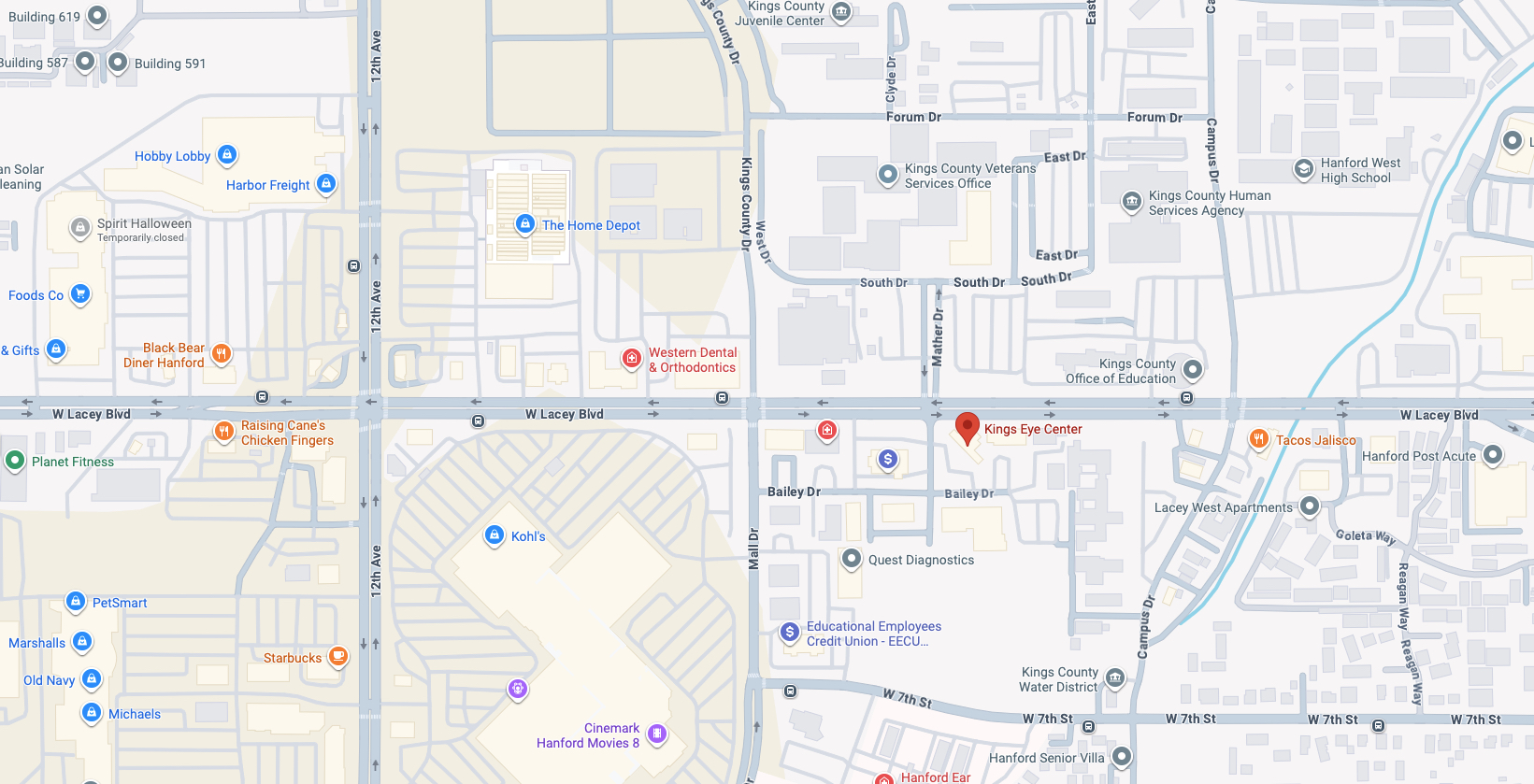
For patients experiencing eye concerns in Hanford or surrounding Kings County communities, Kings Eye Center offers comprehensive ophthalmology and glaucoma evaluations. Schedule an appointment at Kings Eye Center or call (559) 585-3937.
Frequently Asked Questions
Reviewed by the clinical team at Kings Eye Center. Last reviewed: July 2026. The information in this article is for educational purposes only and does not substitute for a comprehensive eye examination by a qualified eye care professional.