

Cataract Vision Assessment: Why Early Evaluation Matters
Most cataracts don’t announce themselves with sudden or dramatic vision loss. Instead, they develop slowly, often blending into everyday changes people assume are normal aging, fatigue, or prescription shifts. Over time, though, these subtle changes can significantly affect clarity, contrast, and overall visual comfort. A cataract vision assessment is designed to identify these changes early, determine whether cataracts are the cause,…
Read More
Clearing Up Common Myths About Cataract Surgery
Cataract surgery is one of the most successful eye procedures performed today, yet many patients in Hanford still delay care because of outdated fears and misinformation. At Kings Eye Center, the clinical team frequently hears concerns such as “Will I be awake during surgery?” and “Do cataracts come back after removal?” These misconceptions often lead patients to…
Read More
Top Cataract Surgery FAQs Answered Clearly
Cataracts cause clouding of the natural lens inside the eye, leading to blurry vision, glare, and trouble seeing at night. Cataract surgery removes the cloudy lens and replaces it with a clear artificial lens called an intraocular lens (IOL). At Kings Eye Center, patients often ask how fast recovery happens, whether surgery hurts, and when…
Read More
Cataract Surgery Benefits for Daily Life and Independence
Cataracts gradually cloud the eye’s natural lens, leading to blurry, dim, or distorted vision that can interfere with everyday activities. Over time, tasks such as reading, driving, cooking, and enjoying hobbies may become more difficult and less comfortable. Cataract surgery restores clearer vision by replacing the cloudy natural lens with a clear artificial intraocular lens…
Read More
Cataract Surgery and Lens Options at Kings Eye Center
Cataract surgery is a highly effective procedure designed to restore clear vision by replacing the eye’s clouded natural lens with an artificial intraocular lens (IOL). At Kings Eye Center, the focus extends beyond simply improving clarity—it is about helping patients achieve the best possible visual outcome for their daily lives. With today’s advanced lens technology, cataract surgery can be…
Read More
Modern Cataract Surgery: A Guide to Clearer Vision
Modern cataract surgery has transformed the way ophthalmologists treat cataracts. While cataract surgery has long been one of the safest and most successful procedures in medicine, today’s technology offers greater precision, personalized treatment planning, and improved visual outcomes. If blurry vision, glare, or difficulty performing daily activities is affecting your quality of life, understanding your…
Read More
Cataract Symptoms: Signs It’s Time for an Eye Exam
If your vision seems less sharp than it used to be, cataracts may be one possible explanation. Cataracts occur when the eye’s natural lens gradually becomes cloudy, reducing the amount of clear light that reaches the retina. As this clouding progresses, vision can become blurry, colors may appear faded, and everyday activities may become more difficult. Many people initially attribute…
Read More
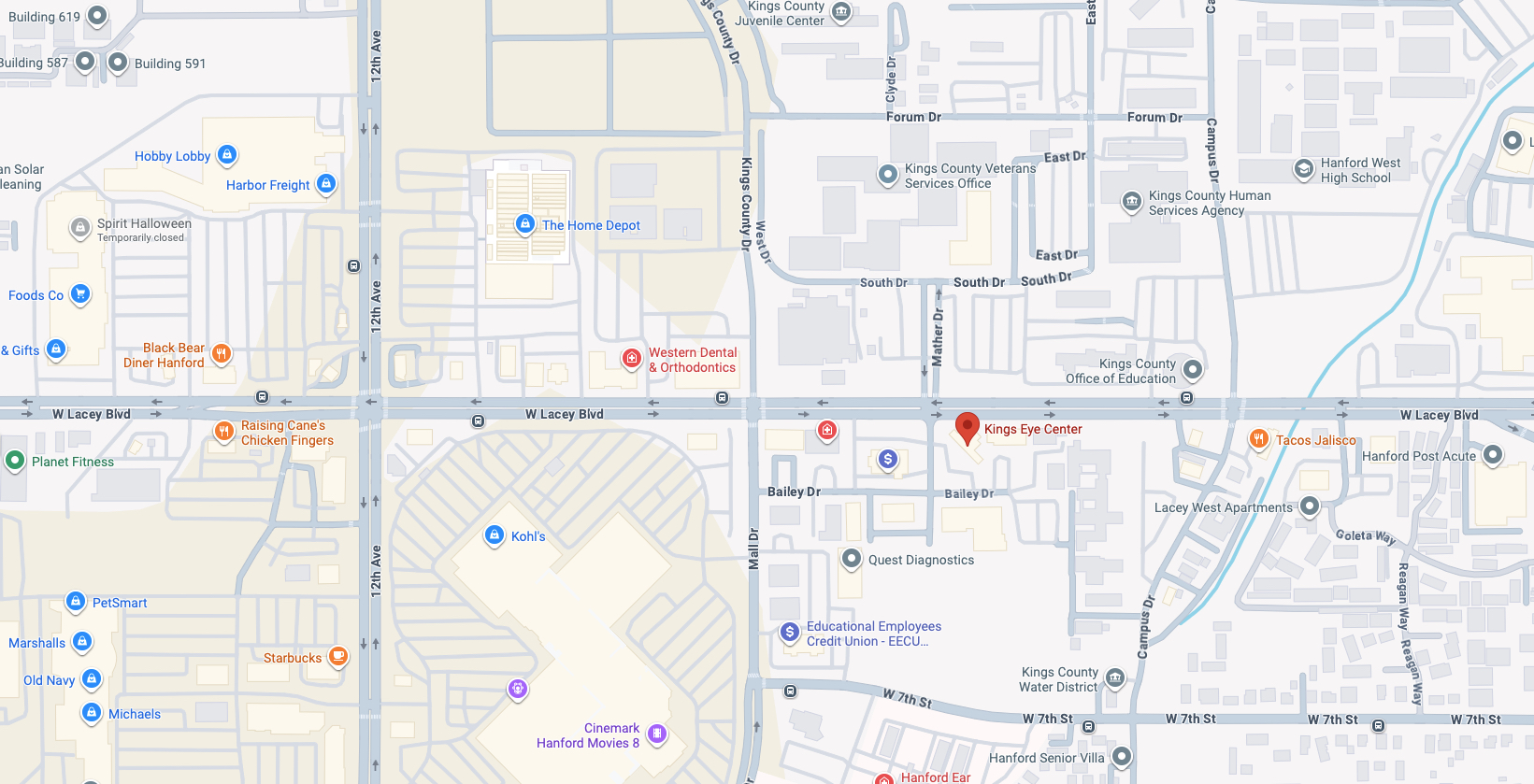
Location
Serving our community
Serving Tulare & Kings Counties For Over 50 Years












If you are using a screen reader and are having problems using this website, please call 559.636.1000.